

ASSOCIATION BETWEEN DIETARY PATTERNS, EATING BEHAVIOR AND SELF-REPORTED STRESS AMONG WORKING ADULTS IN ILORIN WEST LOCAL GOVERNMENT AREA, KWARA STATE, NIGERIA
- Authors:Musa Halimat Shade, L.O. Oladimeji, Olosasa Habeebat Oyindamola, Mohammed Barakat Adeshewa
- Publication Date:October 29, 2026
- Type:Original Research
- DOL:https://doi.org/10.52403/ijphd.20262309
- Publication On:International Journal of Public Health and Disease Control
- Volume/Issue:OCTOBER 2026 VOL. 1
Abstract
Background: Dietary patterns and eating behaviors are important determinants of health, and unhealthy dietary practices contribute substantially to the burden of chronic diseases among adults. This study assessed perceived stress, dietary patterns, and eating behaviors among working adults aged 30–60 years in Ilorin West Local Government Area, Kwara State, Nigeria.
Methods: A descriptive cross-sectional study was conducted among 108 working adults. Data were collected using a structured questionnaire comprising socio-demographic characteristics, the 10-item Perceived Stress Scale (PSS-10), a Food Frequency Questionnaire, and eating behavior assessment items. Data were analyzed using SPSS version 27. Descriptive statistics were summarized using frequencies and percentages, while Chi-square tests were used to examine associations between variables at a significance level of p < 0.05.
Results: Most respondents (80.6%) experienced moderate perceived stress, while 13.0% and 6.5% reported low and high stress levels, respectively. Moderate dietary patterns were observed in 61.1% of respondents, whereas 20.4% and 18.5% exhibited healthy and unhealthy dietary patterns, respectively. Common eating behaviors included snacking between meals, meal skipping, and emotional eating. Perceived stress was not significantly associated with dietary patterns (χ² = 6.412, p = 0.170), but it was significantly associated with eating behaviors (χ² = 18.472, p < 0.001). Educational level, occupation, and monthly income were significantly associated with dietary patterns.
Conclusion: Moderate perceived stress was common among working adults and was significantly associated with eating behaviors but not dietary patterns. Workplace stress management, nutrition education, and interventions that promote healthy eating behaviors may improve the health and well-being of working adults.
Keywords: perceived stress; dietary patterns; eating behaviors; working adults; occupational health.
figures
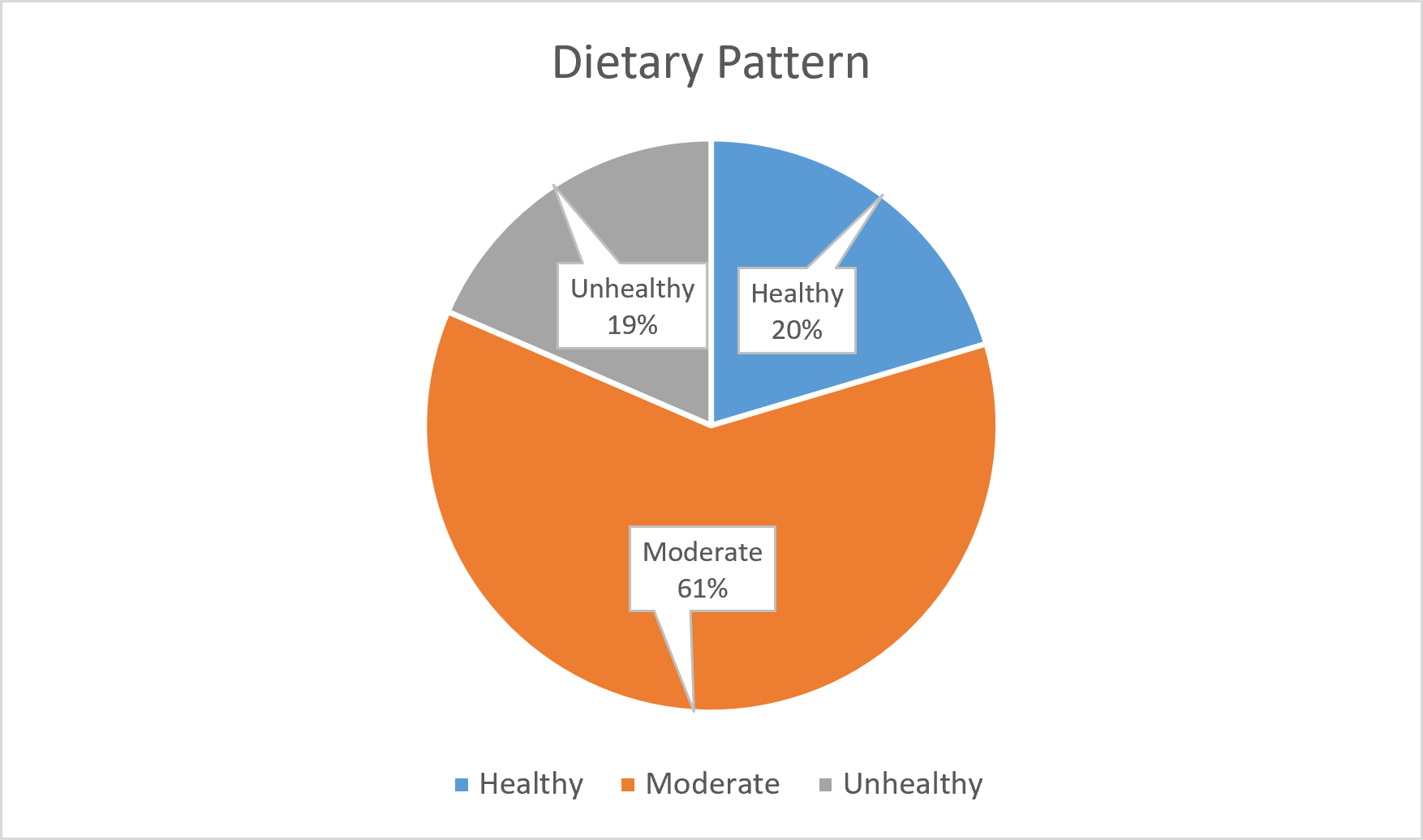
Fig. 0 Overall Dietary Pattern of Respondents
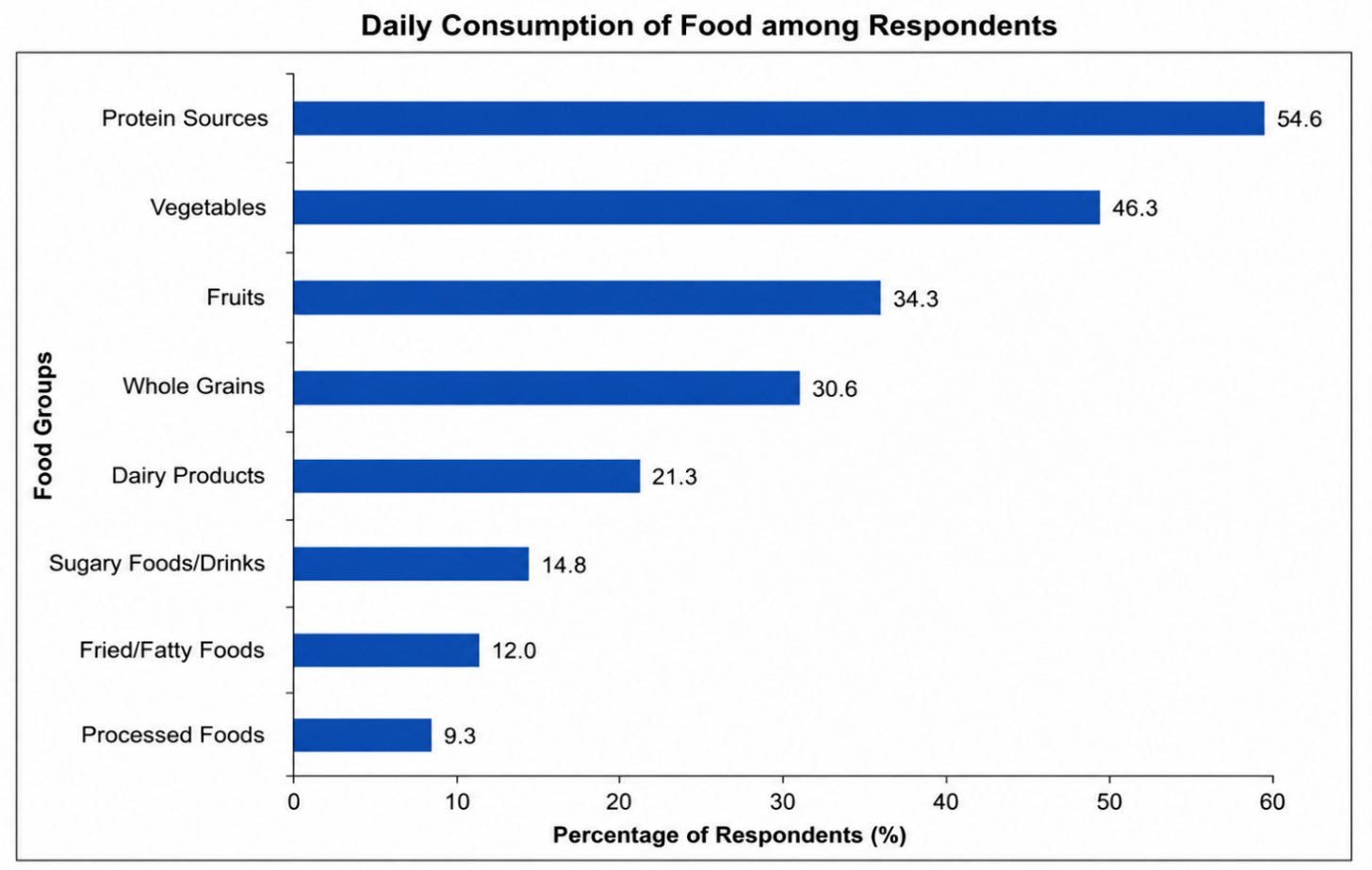
Fig. 1 Bar Chart showing Consumption Pattern of Food among Respondents
References
- Abubakar, H. A., Shahril, M. R., & Mat, S. (2024). Nutritional status and dietary intake among Nigerian adolescents: A systematic review. BMC Public Health, 24(1), 1764. https://doi.org/10.1186/s12889-024-19219-w
- Adekeye, A. P., Elegbede, A. O., & Tunde-Ayinmode, M. F. (2024). Perceived work stress and quality of life among bankers in Southwest Nigeria. Indian Journal of Occupational and Environmental Medicine. https://doi.org/10.4103/ijoem.ijoem_30_23
- Adeloye, D., Ige-Elegbede, J. O., Ezejimofor, M., Owolabi, E. O., Ezeigwe, N., Omoyele, C., Mpazanje, R. G., Dewan, M. T., Agogo, E., Gadanya, M. A., Alemu, W., Harhay, M. O., Auta, A., & Adebiyi, A. O. (2021). Estimating the prevalence of overweight and obesity in Nigeria in 2020: A systematic review and meta-analysis. Annals of Medicine, 53(1), 495–507. https://doi.org/10.1080/07853890.2021.1897665
- Aderibigbe, J., Nwokolo, E., & Omonona, S. (2020). Occupational stress among some Nigerian graduate employees: The impact of work experience and education. Cogent Psychology, 7, Article 1802948. https://doi.org/10.1080/23311908.2020.1802948
- Ahmed, A. E., Ucbasaran, D., Cacciotti, G., & Williams, T. A. (2022). Integrating psychological resilience, stress, and coping in entrepreneurship: A critical review and research agenda. Entrepreneurship Theory and Practice, 46(3), 497–538. https://doi.org/10.1177/10422587211046542
- Ahmed, S. K., & Mohammed, R. A. (2025). Obesity: Prevalence, causes, consequences, management, preventive strategies and future research directions. Metabolism Open, 27, 100375. https://doi.org/10.1016/j.metop.2025.100375
- Akinbule, O. O., Ogunyinka, D. S., & Adenusi, S. A. (2025). The association between perceived stress, lifestyle and dietary behaviors, and hypertension among university personnel. North African Journal of Food and Nutrition Research, 9(20), 123–135. https://doi.org/10.51745/najfnr.9.19.123-135
- Ameye, H., Hülsen, V., Glatzel, K., Laar, A., & Qaim, M. (2025). Urbanizing food environments in Africa: Challenges and opportunities for improving accessibility, affordability, convenience, and desirability of healthy diets. Food Policy, 137, 102981. https://doi.org/10.1016/j.foodpol.2025.102981
- Barakat, S., McLean, S. A., Bryant, E., Le, A., Marks, P., Touyz, S., & Maguire, S. (2023). Risk factors for eating disorders: Findings from a rapid review. Journal of Eating Disorders, 11(1), Article 8. https://doi.org/10.1186/s40337-022-00717-4
- Bashar, J. M., Aliyu, D., Anyebe, E. E., Gabriel, I., Nasir, A., Mangari, A. S., Abubakar, F. S., & Wada, Y. H. (2024). Perceived work-related stress and associated factors among the surgical workforce in a Nigerian tertiary health facility: A cross-sectional study. PLOS Global Public Health, 4(11), 1–15. https://doi.org/10.1371/journal.pgph.0003959
- Bolarinwa, O. A. (2020). Sample size estimation for health and social science researchers: The principles and considerations for different study designs. Nigerian Postgraduate Medical Journal, 27(2), 67–75. https://doi.org/10.4103/npmj.npmj_121_19
- Casari, S., Di Paola, M., Banci, E., Diallo, S., Scarallo, L., Renzo, S., Gori, A., Renzi, S., Paci, M., de Mast, Q., Pecht, T., Derra, K., Kaboré, B., Tinto, H., Cavalieri, D., & Lionetti, P. (2022). Changing dietary habits: The impact of urbanization and rising socio-economic status in families from Burkina Faso in Sub-Saharan Africa. Nutrients, 14(9), 1782. https://doi.org/10.3390/nu14091782
- Dakanalis, A., Mentzelou, M., Papadopoulou, S. K., Papandreou, D., Spanoudaki, M., Vasios, G. K., Pavlidou, E., Mantzorou, M., & Giaginis, C. (2023). The association of emotional eating with overweight/obesity, depression, anxiety/stress, and dietary patterns: A review of the current clinical evidence. Nutrients, 15(5), 1173. https://doi.org/10.3390/nu15051173
- Fatima, G. (2025). Exploring the relationship between ultra-processed foods and dietary behaviors. Acta Alimentaria, 54(2), 177–196. https://doi.org/10.1556/066.2025.00057
- Food and Agriculture Organization of the United Nations. (2022). Diet, nutrition and chronic diseases in context (Section 4). FAO. https://www.fao.org/4/ac911e/ac911e06.htm
- Guo, H., Ye, Z., Han, J., Luo, Y., & Chen, H. (2025). Effects of perceived stress on problematic eating: Three parallel moderated mediation models. Nutrients, 17(11), 1928. https://doi.org/10.3390/nu17111928
- Hill, D., Conner, M., Clancy, F., Moss, R., Wilding, S., Bristow, M., & O’Connor, D. B. (2022). Stress and eating Behavior in healthy adults: A systematic review and meta-analysis. Health Psychology Review, 16(2), 280–304. https://doi.org/10.1080/17437199.2021.1923406
- Imran, M., & Farooq, I. (2025). Impact of breakfast skipping on functional capacity and productivity among office workers with standard working hours (9 AM–5 PM). DIET FACTOR (Journal of Nutritional and Food Sciences), 6(2). https://doi.org/10.54393/df.v6i2.182
- Infurna, F. J., Gerstorf, D., & Lachman, M. E. (2020). Midlife in the 2020s: Opportunities and challenges. American Psychologist, 75(4), 470–485. https://doi.org/10.1037/amp0000591
- Iriti, M., Varoni, E. M., & Vitalini, S. (2020). Healthy diets and modifiable risk factors for non-communicable diseases: The European perspective. Foods, 9(7), 940. https://doi.org/10.3390/foods9070940
- James, K. A., Stromin, J. I., Steenkamp, N., & Combrinck, M. I. (2023). Understanding the relationships between physiological and psychosocial stress, cortisol and cognition. Frontiers in Endocrinology, 14, Article 1085950. https://doi.org/10.3389/fendo.2023.1085950
- Mason, T., Dayag, R., Dolgon-Krutolow, A., Lam, K., Zhang, D., Hazzard, V., & Smith, K. E. (2023). Emotional eating and diet-related self-efficacy, motivation, and norms in adolescents. Health Behavior Research, 6(1). https://doi.org/10.4148/2572-1836.1157
- Okube, O. T., Kimani, S., & Waithira, M. (2020). Association of dietary patterns and practices on metabolic syndrome in adults with central obesity attending a mission hospital in Kenya: A cross-sectional study. BMJ Open, 10, e039131. https://doi.org/10.1136/bmjopen-2020-039131
- Petrikova, I., Bhattacharjee, R., & Fraser, P. D. (2023). The “Nigerian diet” and its evolution: Review of the existing literature and household survey data. Foods, 12(3), 443. https://doi.org/10.3390/foods12030443
- Sanni, S. M. (2025). Nutrition transition in West Africa: Public health challenges, socioeconomic impacts, and regional policy interventions. Center of Medicine, 1(1), Article 9. https://doi.org/10.65591/g5pqee60
- Segun, A., Zhang, B., Mary, A. M., Kibenja, D., Ma, J., Said, S., Adeniyi, I., & Barrow, L. F. (2024). Exploring the relationship between dietary patterns and obesity among Nigerian adults: A cross-sectional study. BMC Public Health, 24, Article 1319. https://doi.org/10.1186/s12889-024-18792-4
- Shatwan, I. M., & Alzharani, M. A. (2024). Association between perceived stress, emotional eating, and adherence to healthy eating patterns among Saudi college students: A cross-sectional study. Journal of Health, Population and Nutrition, 43(1), 144. https://doi.org/10.1186/s41043-024-00637-w
- Sholeye, O. O., Omisore, M. E., & Animasahun, V. J. (2021). Meal skipping among undergraduate health and allied sciences students in Sagamu, Nigeria. African Journal of Biomedical Research, 24, 459–464. https://doi.org/10.4314/ajbr.v24i5.10
- Stover, P. J., Field, M. S., Andermann, M. L., Bailey, R. L., Batterham, R. L., Cauffman, E., Frühbeck, G., Iversen, P. O., Starke Reed, P., Sternson, S. M., Vinoy, S., Witte, A. V., Zuker, C. S., & Angelin, B. (2023). Neurobiology of eating behavior, nutrition, and health. Journal of Internal Medicine. https://doi.org/10.1111/joim.13699